
Article
Why Fast, Clear Response Matters More Than Just Having Monitoring
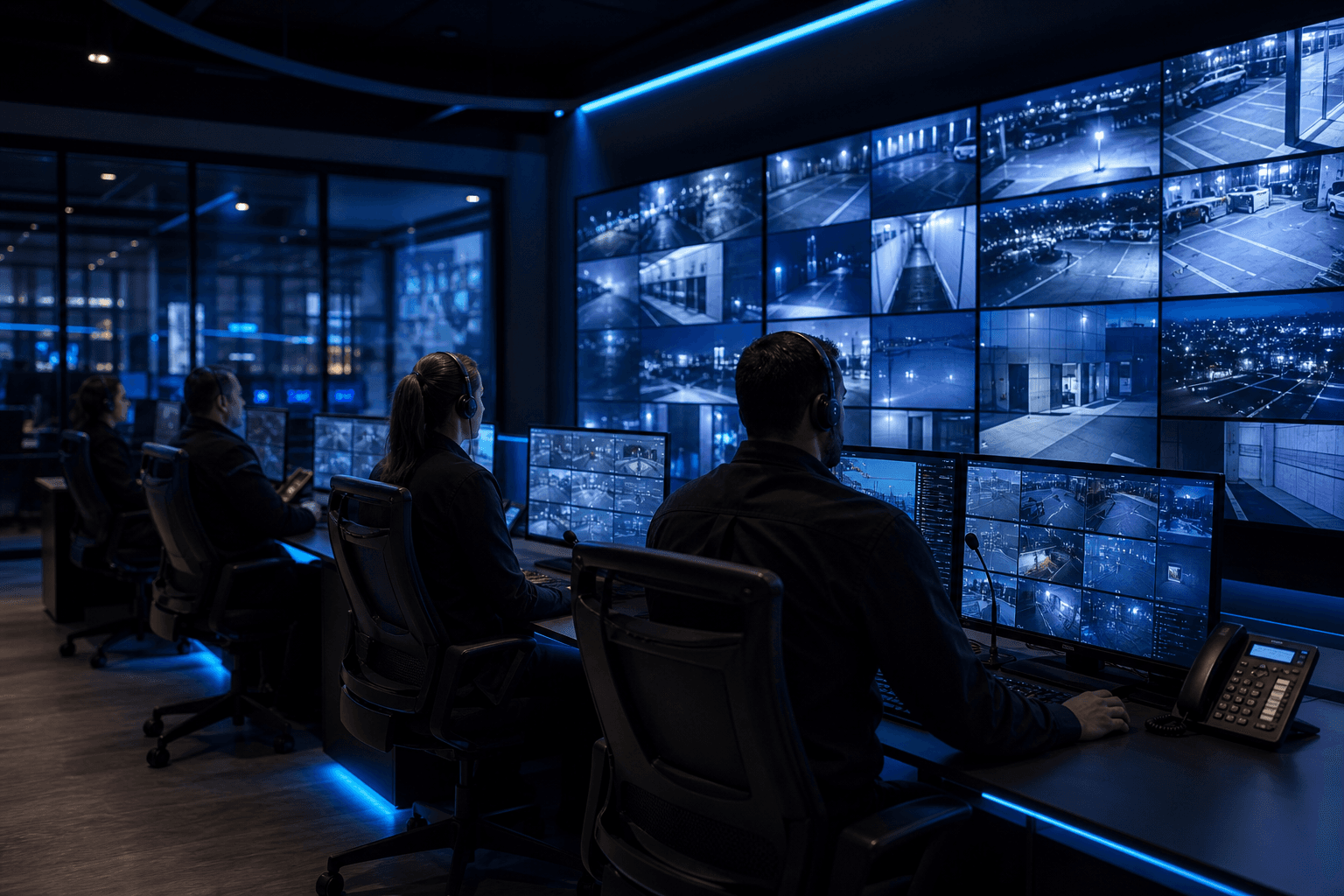
Monitoring only works well when everyone knows exactly what happens the moment an alarm goes off.
Quick Summary
- The right system starts with your real risks and your plan for what happens next, not the device count.
- Local weather, your building, and your daily habits change what solution makes sense for you.
- A well-tested installation and regular check-ins protect your investment.
Why trust this article
Written by: Pro Vision Security Team (Montreal Security Specialists)
Reviewed by: Pro Vision Security Technical Team (Local Technical Review)
Updated on:
alarm monitoring response workflow: the short answer
For alarm monitoring response workflow, the right solution connects your property's real risks, your building's quirks, and a clear plan for what happens when something goes wrong. In Montreal, an on-site visit confirms coverage, cabling, who gets access to what, and the support you'll get, before the final price is set.
There is no single perfect number of devices that works for everyone. A smaller but more complex property can need more planning than a large open space. Compare quotes based on real results and total cost, not just the starting price.
Too Many Alerts Can Be Just as Bad as Too Few
Getting a lot of alerts does not mean your property is safer.
If no one knows which alerts really matter, people either start ignoring them or overreact to things that are not real emergencies.
Decide Who Does What Before the System Goes Live
Before your system is turned on, decide who gets the first call, who confirms it is a real issue, and who can call police or emergency services.
This keeps your monitoring service working with your everyday routine, instead of creating confusion when something happens.
Check How Well It Is Working, Not Just Whether It Is On
Track how fast alerts get checked, how many turn out to be false alarms, and how issues get closed out.
This tells you whether your monitoring is actually keeping you safer, or just sending notifications.
What should Montreal weather and buildings mean for your plan?
A security project in Montreal has to deal with more than just the size of your property. Freezing winters, snow, road salt, humid summers, and big temperature swings can affect outdoor cameras, cables, door hardware, and Wi-Fi reliability. Equipment that works fine in a sheltered lobby downtown may not hold up on an exposed loading dock in Saint-Laurent or an outdoor entrance in Laval.
The type of building matters too. Older homes and buildings in areas like Notre-Dame-de-Grace or Villeray can have finished brick or stone walls and limited paths for cables. Warehouses near the Trans-Canada highway often need longer cable runs and a clear plan for who responds after hours. A good assessment looks at all of this before any equipment is quoted.
How does Pro Vision Security look at your property?
We start by asking what you actually need: recognize a face, confirm an alarm, control who can open a door, or quickly find a past event. Then we walk your property, check lighting and foot traffic, note any areas that need privacy, confirm your internet and power, and figure out who should be contacted during and after business hours.
You should end up with a clear, written plan that connects every camera, sensor, and door to a reason. It should cover coverage areas, who can access what, how long footage is kept, how you get notified, training, and room to grow later. This avoids a common mistake: buying equipment first and only later figuring out how it should actually be used day to day.
What should you ask before comparing quotes?
Ask each company what is included in the price, what could make the price change, and how their plan handles your biggest concern. Confirm whether cabling, permits (where needed), setup, training, activating monitoring, warranties, and support afterward are included. A low price on equipment can hide bigger costs later for setup and service.
Also ask how you will find footage, add or remove someone's access, test your alarms, and get help outside business hours. Ask for a demonstration using a real example from your property. A good provider should be able to explain, in plain language, exactly what happens when something goes wrong, and how easy the system will be to manage as your needs change.
How should privacy and cybersecurity be handled in Quebec?
Your security system can include video of people, records of who came and went, names, phone numbers, and notes about past incidents. As a Quebec home or business owner, you should know why each piece of information is collected, who can see it, how long it is kept, and what happens if there is a request or an incident. Cameras should avoid pointing at private areas that do not need to be covered.
Use separate logins for each person, extra login protection where available, remove access right away when someone leaves, and make sure remote access is secure. This matters most for apps and cloud dashboards you can check from your phone. Rules around privacy and insurance can vary, so it is worth checking with a qualified advisor rather than assuming the equipment settings alone are enough.
What happens during installation and hand-off?
A proper installation includes testing, not just mounting cameras and running wires. The team should check camera views and sensors both day and night, confirm the time stamps on events, test a priority alert, confirm your contact list is correct, and make sure everyone who needs access can actually use the system. Anything that does not work as expected should be fixed before the job is considered done.
You should also get simple training, basic documentation, warranty details, and an easy testing schedule. You need to know how to add or remove a user, find a past event, report a problem, and reach support. A quick check-in after the first few weeks helps fix any annoying false alarms or gaps that only show up once you are actually using the system.
How do you keep your system working well over time?
Review your system after renovations, staff changes, new hours, repeated false alarms, or anything that showed a gap in your coverage. At least twice a year, check that your devices are working, your cameras are clean, your doors close properly, your contact list is current, and you can still easily find footage. Outdoor equipment deserves extra attention after a Montreal winter.
Pay attention to what actually matters, not just the number of devices you have. Useful things to track include how long it takes to confirm an alert, how often you get false alarms, failed attempts to get in, and how long it takes to find footage. These tell you whether your system is really helping you make faster, safer decisions.
Frequently asked questions
What should I look at first?
Start with how long it takes for a real event to be confirmed. That speed matters most for keeping you safe.
Can a small business or home have a formal plan?
Yes. Even a simple list of who to call, and in what order, makes a big difference when something happens.
Which areas do you serve around Montreal?
Pro Vision Security serves Montreal, Saint-Laurent, Laval, the West Island, and nearby communities, depending on the project.
When is an on-site visit worth it?
A visit is worthwhile whenever your cabling, lighting, doors, internet, or daily routine could change the design or the price.
Conclusion and next step
For a security project in Montreal, Saint-Laurent, Laval, or the West Island, request a site-specific assessment built around your property and response procedures.